
Description
Product Overview
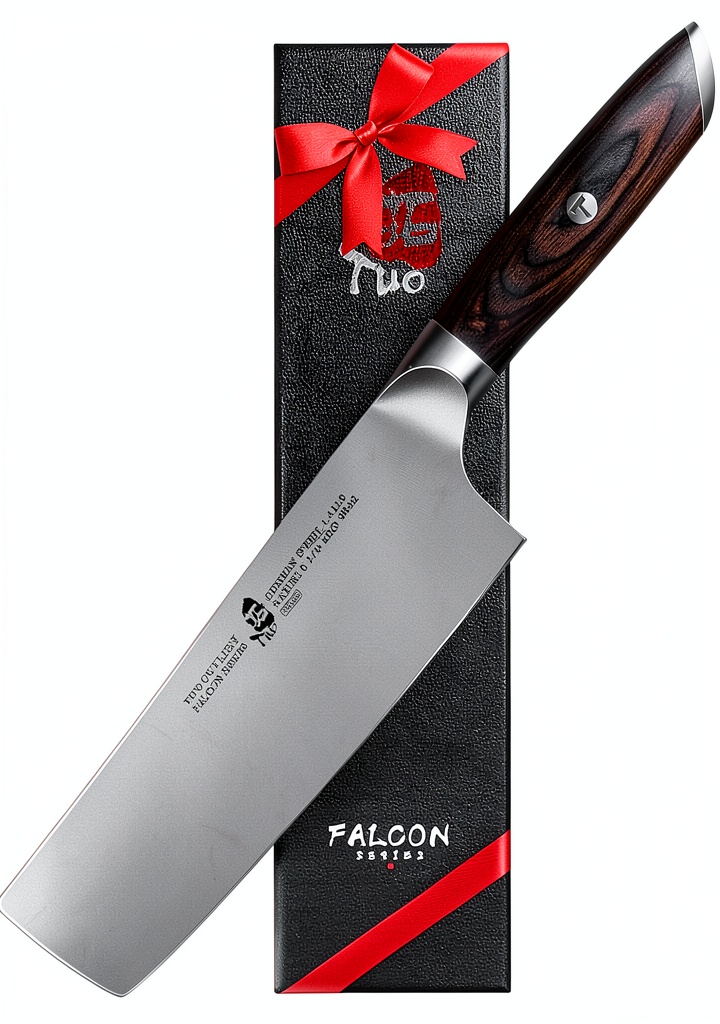
The TUO Nakiri Knife is engineered for precision vegetable preparation, featuring a 6.5‑inch blade forged from high‑carbon German stainless steel. This alloy combines the durability of stainless steel with the edge‑holding capability of high‑carbon steel, delivering a blade that stays razor‑sharp through repeated chopping cycles. The blade is heat‑treated and cryogenically tempered to achieve a Rockwell hardness of 56+, while the edge is ground to a consistent 14–16° angle, providing a clean, uniform cut that minimizes cell damage and preserves the natural flavor of produce. The stainless‑silver finish resists staining, rust, and corrosion, ensuring the knife maintains a professional appearance even after extensive use in a busy kitchen.
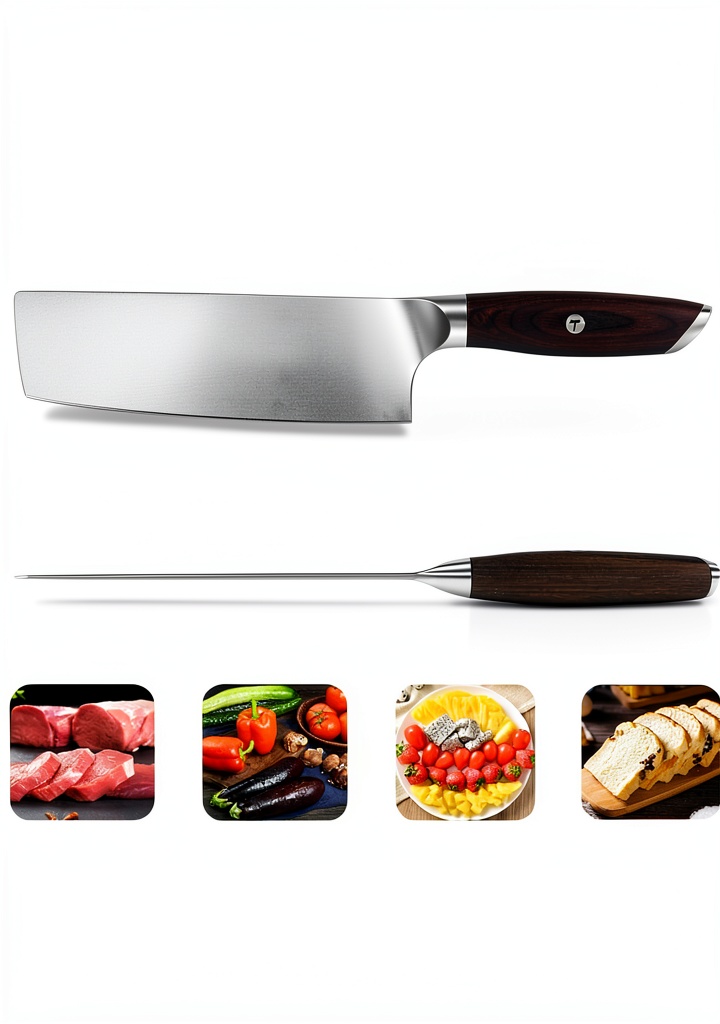
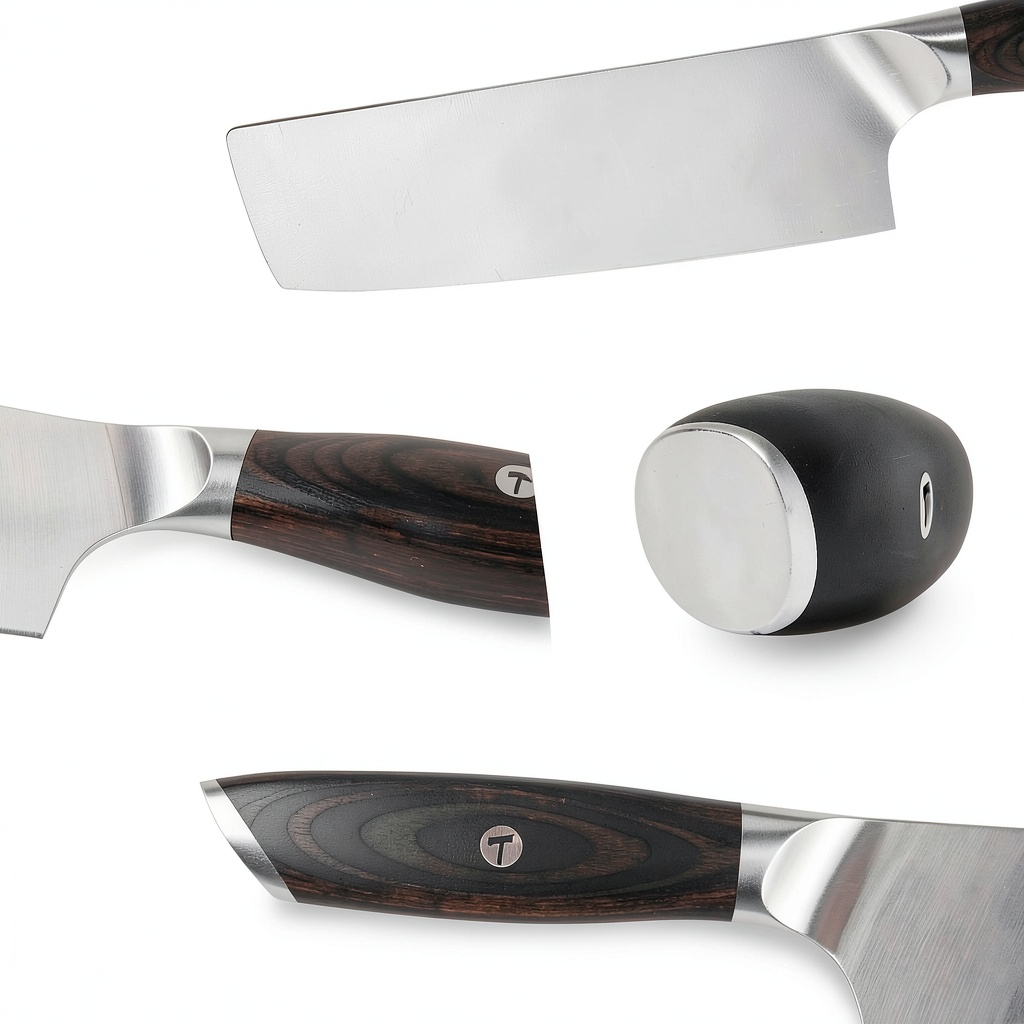
The handle of the knife is crafted from premium pakkawood, a composite of natural wood fibers and high‑density resin that offers the warmth and tactile feel of wood while delivering superior strength and moisture resistance. Shaped to follow the natural curvature of the hand, the handle provides a balanced grip that reduces fatigue during prolonged chopping sessions. A single polished rivet secures the handle to the blade, adding a subtle visual accent that complements the dark wood and mirror‑polished steel, while also reinforcing the structural integrity of the connection.
The knife utilizes a stamped construction method, allowing the blade to retain a thin yet rigid profile that enhances maneuverability without sacrificing strength. Weighing just 7.2 ounces (0.45 lb), the knife achieves an optimal balance point near the midpoint of the blade, giving the user precise control over each slice. The overall length of 11.71 inches provides ample clearance for a variety of cutting techniques, while the plain edge eliminates the need for a scalloped bevel, simplifying sharpening and ensuring a consistent cutting surface.
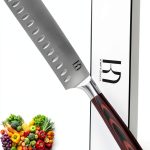
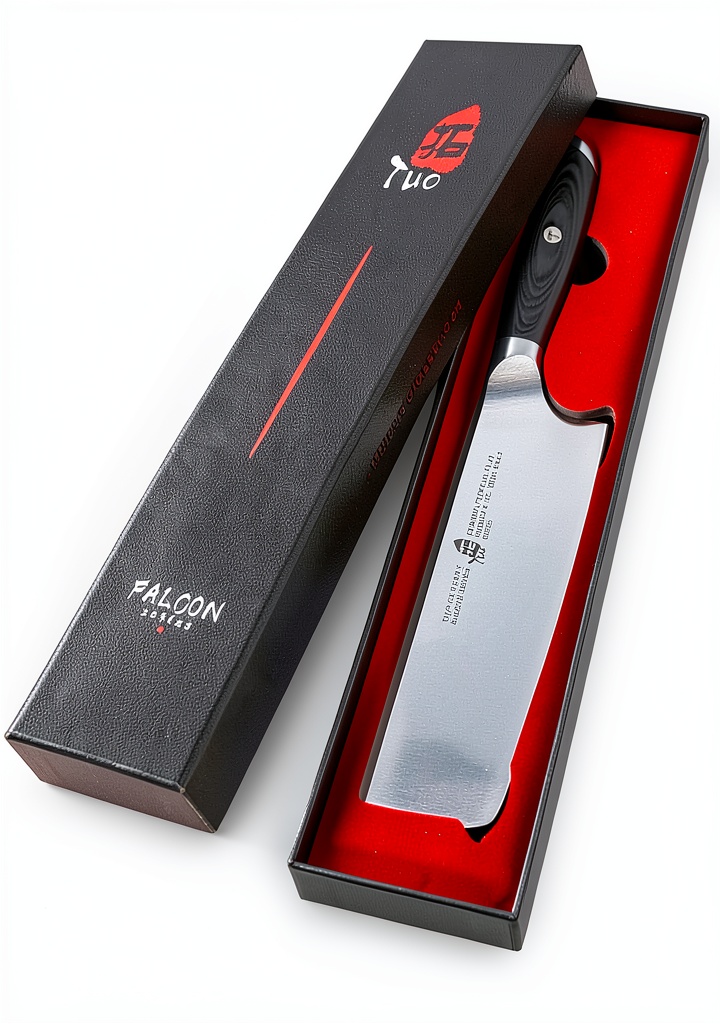
Each knife arrives in a sleek black gift box that includes a soft cleaning cloth and a concise user guide, making it ready for immediate use or gifting. The packaging reflects a premium presentation, suitable for birthdays, holidays, or professional chef endorsements. The included cleaning cloth helps maintain the blade’s polished finish, while the guide offers essential tips on safe handling, sharpening intervals, and storage practices to prolong the knife’s lifespan.
Performance testing shows the blade retains its edge after dozens of full‑cycle chopping sessions, and the high‑carbon core resists micro‑chipping even when cutting through tougher items such as dense root vegetables. The stainless‑steel surface is easy to wipe clean, but the knife should be hand‑washed and dried promptly to avoid prolonged exposure to moisture, which can accelerate corrosion on any steel surface. Regular honing with a fine ceramic rod will keep the edge aligned, while periodic professional sharpening restores the original geometry for optimal cutting efficiency.
Edge geometry plays a critical role in the knife’s cutting efficiency. The 14–16° bevel on each side creates a symmetrical profile that reduces drag as the blade passes through dense vegetable fibers, allowing the user to achieve smooth, uninterrupted slices. This angle is slightly steeper than that of traditional Japanese nakiri knives, providing added durability for home kitchen environments where the blade may encounter occasional hard surfaces such as stone cutting boards. The uniform edge also simplifies sharpening, as the user can maintain the same angle on both sides without needing to adjust for a hollow or convex grind.
Beyond the functional aspects, the knife’s aesthetic details contribute to a sense of craftsmanship. The contrast between the dark, oil‑finished pakkawood handle and the bright, mirror‑polished steel blade is highlighted by a single, polished rivet that not only secures the two components but also adds a subtle visual focal point. This design philosophy aligns with the principles of Japanese cutlery, where simplicity and balance are prized. The result is a tool that feels as good as it looks, making it a welcome addition to both professional and home kitchen workstations.
User reviews consistently highlight the knife’s balanced feel, noting that the 7.2‑ounce weight is evenly distributed between blade and handle, which facilitates controlled cuts without the need for excessive force. The blade thickness of approximately 2 mm provides enough rigidity to handle dense vegetables like carrots and broccoli stems, while remaining thin enough to glide through softer items such as lettuce leaves. This equilibrium of mass and thickness contributes to a reduced effort per cut, making repetitive tasks less tiring and more enjoyable for the chef.
Usage
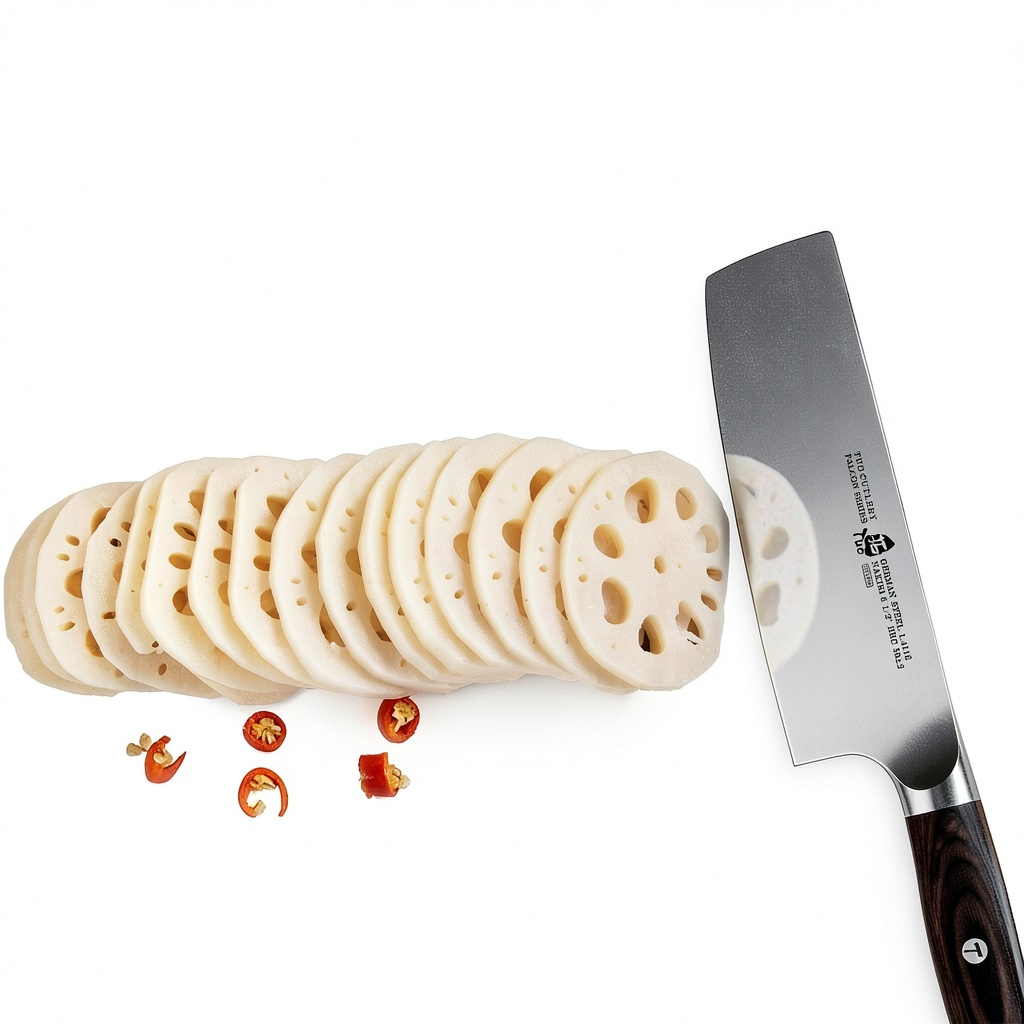
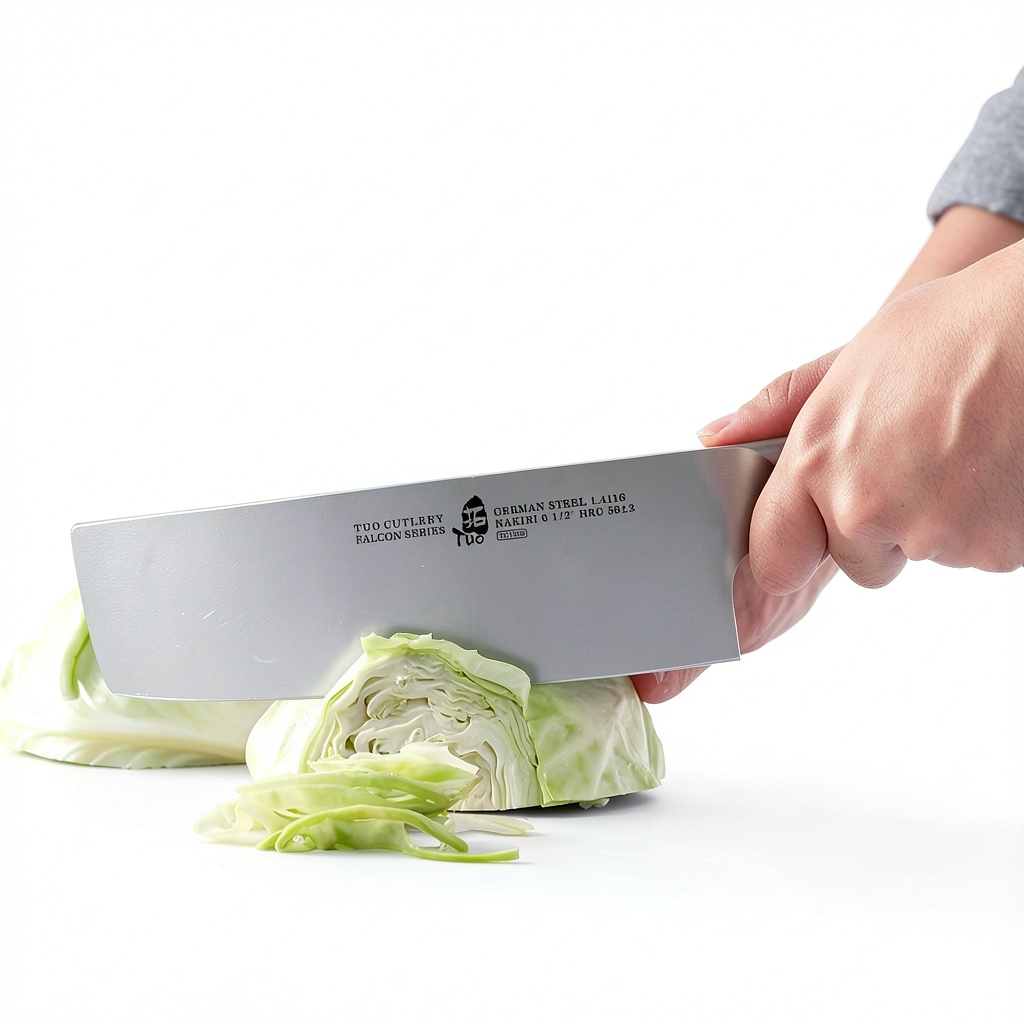
The TUO Nakiri Knife excels in everyday vegetable preparation, allowing home cooks to quickly dice onions, slice carrots, and mince herbs with minimal effort. Its wide, straight blade provides a generous cutting surface that supports a rocking motion, enabling uniform slices that are essential for even cooking and presentation. Whether preparing a stir‑fry, a salad, or a garnish, the knife’s balance and edge retention reduce the number of strokes required, saving time and preserving the natural texture of the ingredients.
In professional or semi‑professional settings, the knife’s 6.5‑inch length offers the versatility to handle both large produce such as cabbage and smaller items like scallions. Chefs appreciate the plain edge, which allows for precise, clean cuts without the interference of a hollow grind, making it ideal for delicate tasks such as julienning carrots or creating thin slices of daikon for sashimi‑style presentations. The ergonomic pakkawood handle ensures a secure grip even when the hands are slightly damp, reducing the risk of slips during high‑tempo service.
Proper care extends the knife’s performance. After each use, rinse the blade with warm water and dry it immediately with a soft cloth to prevent moisture buildup. Avoid placing the knife in a dishwasher, as the high temperatures and harsh detergents can compromise the handle’s resin bond and the steel’s temper. Periodic honing with a ceramic rod and occasional sharpening on a whetstone will keep the edge at its optimal angle, ensuring consistent results over years of use.
The knife’s versatility extends to preparation of fruits and delicate herbs, where the wide blade can scoop up chopped pieces without bruising. For example, when dicing strawberries for a dessert, the flat edge allows the user to press the fruit against the cutting surface, achieving uniform cubes while the handle’s grip prevents slippage. Additionally, the knife’s weight distribution makes it suitable for precision tasks such as creating thin ribbons of cucumber for garnish, where control over the slice thickness is essential for visual appeal.
Cleaning and maintenance are straightforward. After use, wipe the blade with a damp cloth and dry it thoroughly; the stainless‑steel surface will resist spotting if promptly cared for. Store the knife in the provided slot of the gift box or on a magnetic strip to protect the edge from contact with other utensils. Regular honing and periodic sharpening, as described in the FAQ, will keep the knife performing at its peak, making it a long‑term investment for anyone who values consistent, high‑quality cuts.
Why Choose Us
TUO’s commitment to quality is reflected in the selection of German high‑carbon stainless steel, a material known for its superior edge retention and resistance to corrosion. Each blade undergoes a rigorous heat‑treatment cycle that includes cryogenic tempering, a process that refines the grain structure and enhances hardness without making the steel brittle. This combination yields a blade that can withstand the rigors of daily kitchen work while maintaining a fine, precise edge that requires less frequent sharpening than standard stainless‑steel knives.
The ergonomic pakkawood handle is not only aesthetically pleasing but also engineered for comfort and durability. Pakkawood is a composite that resists swelling, cracking, and warping, even when exposed to occasional splashes or humid environments. Its contoured shape follows the natural line of the hand, distributing pressure evenly across the grip and reducing strain on the wrist during extended chopping sessions. The single rivet that secures the handle adds a subtle decorative element while reinforcing the structural bond between handle and blade.
TUO provides a one‑year limited warranty covering manufacturing defects in materials or workmanship. If the blade or handle exhibits a defect within the warranty period, the company will arrange a repair, replacement, or refund at its discretion. To initiate a claim, customers should contact TUO’s support team with the original purchase receipt and a description of the issue. The warranty does not cover damage caused by misuse, improper sharpening, or exposure to extreme temperatures.
Environmental responsibility is also part of TUO’s design ethos. The pakkawood handle is sourced from sustainably managed forests, and the manufacturing process minimizes waste by using precision stamping and recycling metal shavings. By choosing this knife, consumers support a product line that balances performance with eco‑friendly practices, aligning with the growing demand for sustainable kitchen tools. TUO’s commitment to responsible sourcing further reinforces the brand’s reputation for quality and integrity.
Beyond the product itself, TUO fosters a community of culinary enthusiasts through its online platform, offering recipe ideas, technique tutorials, and a forum for sharing experiences. Customers can access exclusive content that demonstrates how to maximize the performance of the Nakiri knife across a range of cuisines, from traditional Japanese preparations to modern fusion dishes. This ongoing engagement reflects TUO’s dedication to not only selling tools but also empowering chefs to grow their skills.
Key Features
- High‑carbon German steel blade delivers long‑lasting sharpness and resists rust, ensuring consistent performance for daily vegetable prep.
- Pakkawood handle provides a comfortable, ergonomic grip that reduces hand fatigue during extended chopping sessions.
- Plain edge with a 14–16° angle offers clean, precise cuts that preserve the natural texture and flavor of produce.
- Stamped construction creates a thin, balanced blade for agile maneuverability while maintaining the strength needed for tough vegetables.
- Comes in a premium gift box with cleaning cloth and user guide, backed by responsive after‑sales support and a satisfaction guarantee.
FAQ
How should I sharpen the TUO Nakiri Knife to maintain its edge?
To keep the edge at its optimal performance, begin with a fine ceramic honing rod to realign any microscopic bends after each use. For more substantial dulling, employ a medium‑grit whetstone to restore the bevel, followed by a fine‑grit stone to polish the edge to the original 14–16° angle. Maintain a consistent sharpening angle and finish with a light stropping on a leather strap to remove burrs. Avoid using electric sharpeners, as they can remove too much material from the thin blade.
Is the pakkawood handle safe for use with wet hands?
Pakkawood is a resin‑infused composite that resists water absorption, so occasional contact with moisture will not cause swelling or warping. However, for the longest lifespan, it is advisable to dry the handle promptly after exposure to water or steam. The resin coating also helps protect the wood fibers from bacterial growth, making the handle hygienic for routine kitchen use. Regularly applying a light food‑grade oil can further preserve the natural feel and appearance.
Can I use this knife for tasks other than vegetables, such as boning or filleting fish?
While the blade’s width and straight profile are optimized for vegetable work, the high‑carbon steel construction provides sufficient strength to handle softer proteins like fish. The knife can be used for delicate filleting or trimming tasks, but it is not intended for heavy bone work, as the thin stamped blade may bend under excessive force. For best results, reserve the Nakiri for its primary purpose and keep a dedicated boning or fillet knife for tougher jobs.
What warranty does TUO offer for this Nakiri Knife?
TUO provides a one‑year limited warranty covering manufacturing defects in materials or workmanship. If the blade or handle exhibits a defect within the warranty period, the company will arrange a repair, replacement, or refund at its discretion. To initiate a claim, customers should contact TUO’s support team with the original purchase receipt and a description of the issue. The warranty does not cover damage caused by misuse, improper sharpening, or exposure to extreme temperatures.
How does the TUO Nakiri Knife compare to traditional Japanese Usuba knives?
Traditional Usuba knives are typically forged from single‑piece carbon steel and feature a thinner, more delicate blade designed for expert-level precision. The TUO Nakiri, while sharing the same rectangular shape, uses high‑carbon German stainless steel that offers greater corrosion resistance and a slightly thicker profile for added durability in a home kitchen. This makes the TUO model more forgiving for everyday users, delivering comparable cutting performance without the intensive maintenance required by classic Usuba blades.


 Tracfone Smartphone Card 60-Day Plan Wireless
  Tracfone 5G Prepaid Plan Unlimited Talk 9GB Data
  Total Wireless $65 Prepaid Card Payment Value
 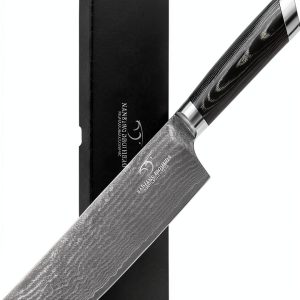 Damascus Nakiri Knife, 7 Inch Professional Kitchen Knife with Non-slip Wood Ergonomic Handle, All Purpose Chef Knife Meat Cleaver Vegetables Chopping, Razor Sharp Lightweight
Reviews
There are no reviews yet.