
Description
Product Overview
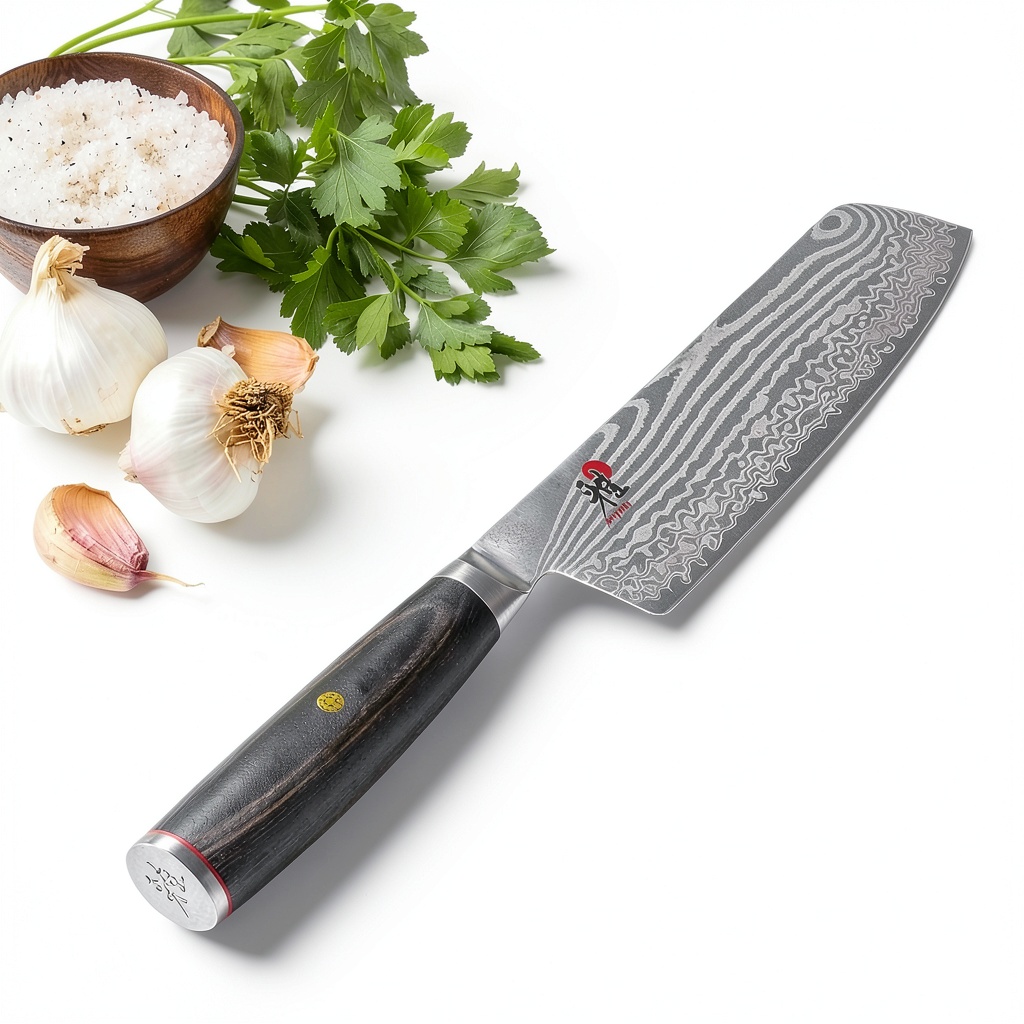
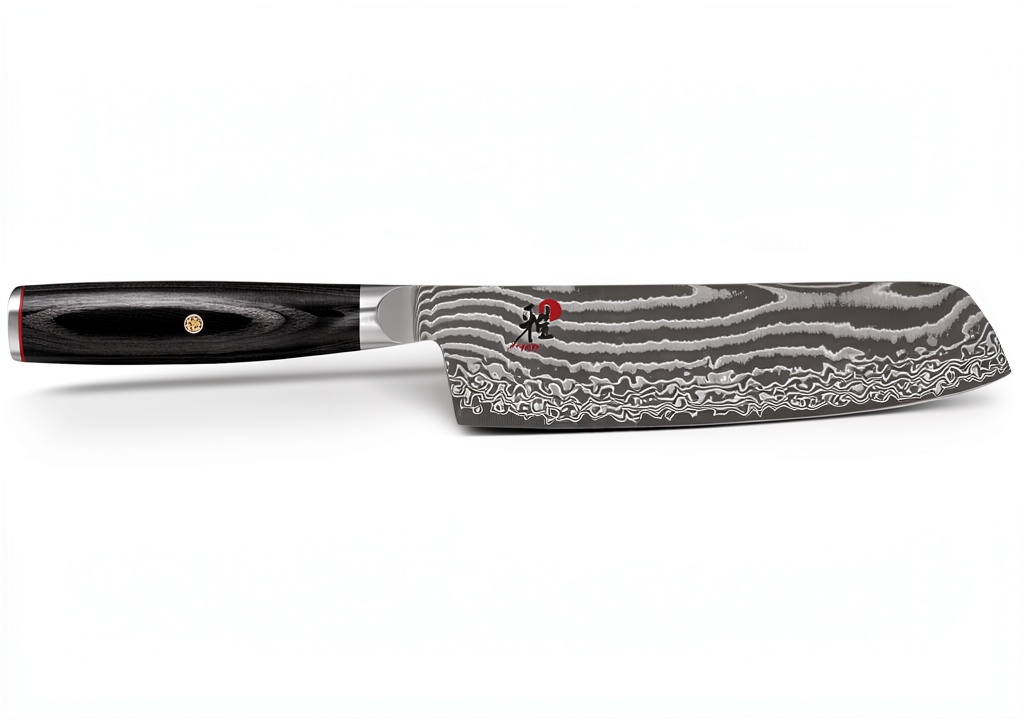
Miyabi’s Kaizen II series represents the pinnacle of Japanese cutlery craftsmanship, and the 6.5‑inch Nakiri model embodies that heritage in a single vegetable‑cutting tool. Hand‑forged in the historic steel‑making district of Seki, Japan, the knife’s core is built from FC61 high‑carbon stainless steel, a proprietary alloy that blends the corrosion resistance of stainless steel with the hardness and edge‑holding power of high‑carbon steel. Surrounding the core are 48 layers of Damascus‑patterned steel, each layer folded and forged to create a striking flower‑like surface while adding structural strength and flexibility. The result is a blade that is both visually stunning and engineered for professional‑grade performance.
The blade’s thin Japanese profile follows a classic Nakiri silhouette, with a straight edge that spans the full 6.5‑inch length. Each side is honed using the historic Honbazuke technique, a labor‑intensive process that sharpens the edge to an angle between 9.5° and 12°, delivering a cutting edge comparable to a straight razor. This precise geometry reduces drag, allowing the knife to glide through dense vegetables such as cabbage, carrots, and daikon with minimal resistance. The 61 Rockwell hardness rating ensures the edge remains razor‑sharp even after repeated use, while the double ice‑hardening FRIODUR treatment adds extra durability and resistance to chipping.
The handle is crafted from black Pakkawood, a composite material made from multiple layers of wood that are impregnated with resin and then polished to a smooth, matte finish. This construction provides a balanced weight distribution, giving the knife a comfortable feel in the hand while reducing fatigue during long prep sessions. The ergonomic contour follows the natural curve of the fingers, and the subtle grain pattern adds a touch of elegance without compromising grip, even when the handle is slightly damp from kitchen activity.
Measuring 6.5 inches in overall length with a 10‑inch blade, the knife weighs approximately 0.46 pounds (7.4 ounces), offering a light yet sturdy presence that feels responsive to subtle hand movements. The forged construction ensures a seamless transition between blade and tang, eliminating any weak points that could compromise structural integrity. The knife’s center of gravity sits just behind the handle, providing a natural pivot point that enhances control when performing repetitive chopping or fine slicing tasks.
Thanks to the combination of FC61 steel’s fine carbide distribution and the protective Damascus layers, the blade retains its edge for extended periods, reducing the need for frequent sharpening. When sharpening is required, the thin profile responds quickly to a light stone or ceramic rod, allowing the user to restore the razor‑sharp edge with minimal material removal. The knife is not dishwasher safe; hand washing and immediate drying preserve the integrity of both the steel and the Pakkawood handle, ensuring the tool remains a lifelong kitchen companion.
The Kaizen II series draws its inspiration from centuries‑old sword‑making practices that have defined Seki as the “City of Blades.” Artisans begin by heating the FC61 steel core to a precise temperature before repeatedly folding and hammering the surrounding Damascus layers, a process that can involve dozens of cycles to achieve the final 48‑layer structure. This meticulous forging not only creates the distinctive flower pattern but also aligns the grain structure, resulting in a blade that flexes just enough to absorb shock while remaining rigid enough for clean cuts.
Every Kaizen II knife undergoes a multi‑stage quality verification that includes microscopic inspection of the Damascus layers, hardness testing to confirm the 61 Rockwell rating, and precise measurement of the edge angle using calibrated gauges. The final hand‑honing step is performed by master sharpeners who adjust each side to achieve a symmetrical 9.5‑12° bevel, guaranteeing consistent performance across the entire production run. This rigorous process ensures that each knife leaving the factory meets the exacting standards demanded by professional kitchens worldwide.
![[Product front view showing all components]](https://www.easyyou.store/wp-content/uploads/2026/08/df7b13cc7d6c4dc8a595137afa03e454.jpg)
Usage
Designed specifically for vegetable preparation, the Nakiri excels at creating uniform slices, juliennes, and chiffonade cuts that are essential for both everyday meals and refined plating. Its straight edge allows the user to rock the blade across a cutting board without the need for a rocking motion, making it ideal for chopping dense root vegetables such as potatoes, onions, and turnips, as well as softer items like herbs, mushrooms, and leafy greens. The generous blade width provides ample surface area to scoop up chopped ingredients, streamlining the transfer from board to pan.
Professional chefs appreciate the knife’s balance and precision when executing rapid prep during service, while home cooks benefit from the reduced effort required to achieve restaurant‑quality cuts. The ergonomic Pakkawood handle reduces strain on the wrist, allowing extended use without discomfort, which is especially valuable during large‑scale meal preparations such as holiday feasts or batch cooking for meal‑prep. Because the blade is forged rather than stamped, it offers superior rigidity, translating into cleaner cuts that preserve the natural texture and flavor of the vegetables.
To maintain optimal performance, the knife should be hand‑washed with mild detergent and dried immediately to prevent moisture from lingering on the steel or handle. Regular honing with a fine‑grit whetstone or ceramic rod keeps the edge at its intended 9.5‑12° angle, while occasional professional sharpening restores the full cutting potential after extensive use. Storing the knife in a dedicated knife block or on a magnetic strip protects the blade from contact with other utensils, reducing the risk of nicks and preserving the Damascus pattern’s aesthetic appeal.
Advanced chefs often employ the Nakiri for precision techniques such as fine julienne, where the blade’s straight edge allows uniform sticks as thin as 1 mm to be produced with a single, fluid motion. The wide blade also excels at chiffonade, enabling the user to roll leafy greens tightly and slice them into delicate ribbons without bruising the tissue. Because the knife’s balance point sits near the handle, it can be used for intricate garnish work, such as carving decorative fruit shapes or creating intricate vegetable sculptures, expanding its utility beyond basic chopping.
Proper cleaning and storage are essential to preserve the knife’s performance and aesthetic qualities. After each use, rinse the blade with warm water and a mild detergent, then dry it immediately with a soft cloth to prevent water spots and corrosion. Avoid abrasive scrubbers or harsh chemicals, as they can damage the Damascus surface and the Pakkawood handle. For long‑term storage, place the knife in a dedicated slot of a wooden block or on a magnetic strip, ensuring the blade does not contact other utensils that could cause nicks. This routine upkeep extends the life of the knife and keeps the Damascus pattern vibrant.
Why Choose Us
Miyabi is a sub‑brand of the world‑renowned Japanese cutlery manufacturer Zwilling J.A. Henckels, and its Kaizen II line reflects a commitment to continuous improvement and uncompromising quality. Each knife undergoes a rigorous inspection process that includes visual assessment of the Damascus pattern, measurement of hardness, and verification of edge angle. The brand’s dedication to traditional techniques, such as the Honbazuke sharpening method and double ice‑hardening, ensures that every blade meets the exacting standards expected by professional chefs and discerning home cooks alike.
The FC61 steel core, known for its fine carbide distribution, provides a balance of hardness and toughness that translates into exceptional edge retention. Combined with the 48‑layer Damascus cladding, the blade resists corrosion and wear, allowing it to maintain a razor‑sharp edge through countless chopping cycles. The double ice‑hardening process further enhances the steel’s resilience, reducing the likelihood of micro‑cracks and extending the overall lifespan of the knife.
The black Pakkawood handle not only adds a sophisticated visual contrast to the silver blade but also offers a tactile experience that enhances control. Pakkawood is created by laminating thin wood veneers with resin, resulting in a material that is both water‑resistant and stable under temperature fluctuations. This construction prevents the handle from warping or cracking over time, ensuring that the knife remains comfortable and reliable even after years of intensive use.
Miyabi backs the Kaizen II series with a comprehensive warranty and responsive customer support, reflecting confidence in the product’s durability. Should any manufacturing defect arise, owners can contact the dedicated service team for repair or replacement, ensuring peace of mind and long‑term satisfaction. This commitment to after‑sales service underscores the brand’s focus on delivering not just a tool, but a lasting culinary partner.
Miyabi is committed to sustainable manufacturing practices, sourcing raw materials from certified suppliers and employing energy‑efficient forging techniques that reduce waste. The packaging for the Kaizen II Nakiri is made from recyclable cardboard and includes a protective sleeve crafted from biodegradable foam, reflecting the brand’s dedication to environmental responsibility. By choosing this knife, customers not only receive a high‑performance tool but also support a company that prioritizes ecological stewardship, aligning with the growing demand for eco‑friendly products in modern kitchens.
Customer feedback consistently highlights the Kaizen II Nakiri’s balance of precision and comfort, with many users noting a noticeable reduction in preparation time and an improvement in the visual presentation of their dishes. Professional chefs often cite the knife’s ability to maintain a consistent edge even after intensive service, while home enthusiasts appreciate the confidence it brings to everyday cooking tasks. Miyabi’s commitment to listening to user experiences drives continuous refinements, ensuring that each new production batch incorporates real‑world insights for an ever‑better tool.
Key Features
- 48‑layer Damascus‑patterned FC61 steel core delivers a razor‑sharp edge with exceptional durability and corrosion resistance.
- Thin Japanese Nakiri profile with a 9.5‑12° Honbazuke‑sharpened edge provides effortless slicing through dense and delicate vegetables.
- Hand‑crafted black Pakkawood handle offers balanced weight distribution and a comfortable ergonomic grip, reducing wrist fatigue during prolonged use.
- Double ice‑hardening FRIODUR treatment enhances blade toughness, minimizing chipping and extending edge retention for years of regular kitchen work.
- Miyabi provides a lifetime warranty and dedicated after‑sales support, ensuring confidence and assistance throughout the knife’s lifespan.
FAQ
What is the best way to sharpen the Miyabi Kaizen II Nakiri knife?
Use a fine‑grit whetstone or ceramic honing rod to maintain the 9.5‑12° Honbazuke edge angle. Begin with a light, even stroke on each side, keeping the stone at a consistent angle. Finish with a few passes on a 1000‑grit stone to refine the edge, then wipe the blade clean. Avoid coarse stones or electric sharpeners, as they can remove too much material and alter the thin profile.
Is the knife dishwasher safe?
No. The Miyabi Kaizen II Nakiri should be hand‑washed with mild detergent and dried immediately. Dishwasher detergents and high heat can damage the Damascus surface, cause corrosion, and weaken the Pakkawood handle.
How does the Damascus pattern affect performance?
The 48‑layer Damascus pattern not only provides a striking visual texture but also contributes to blade strength and flexibility. The layered construction distributes stress evenly, reducing the chance of cracks and enhancing edge retention while maintaining a lightweight feel.
Can I use this knife for tasks other than vegetables?
Yes. The thin, straight edge works well on delicate fish fillets, soft fruits, and thinly sliced cheese. It also excels at garnish work such as carving decorative ribbons from carrots or shaping cucumber blossoms, making it a versatile tool beyond vegetable prep.
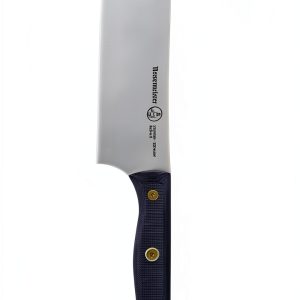 Nakiri Knife Messermeister Custom 6.5" Black with X50 German Steel
Reviews
There are no reviews yet.